Most days go better when your body works without trouble. Hurt too long, or after an operation, moving around can seem impossible at first. Some choose bed rest or medication to dull discomfort; yet those rarely fix what is actually wrong underneath. Skilled movement helps guide you out of that stuck place, returning control one step at a time. Starting with trained professionals means digging into real problems instead of covering up surface issues. When skilled help steps in, lasting wellness and movement get a solid foundation.
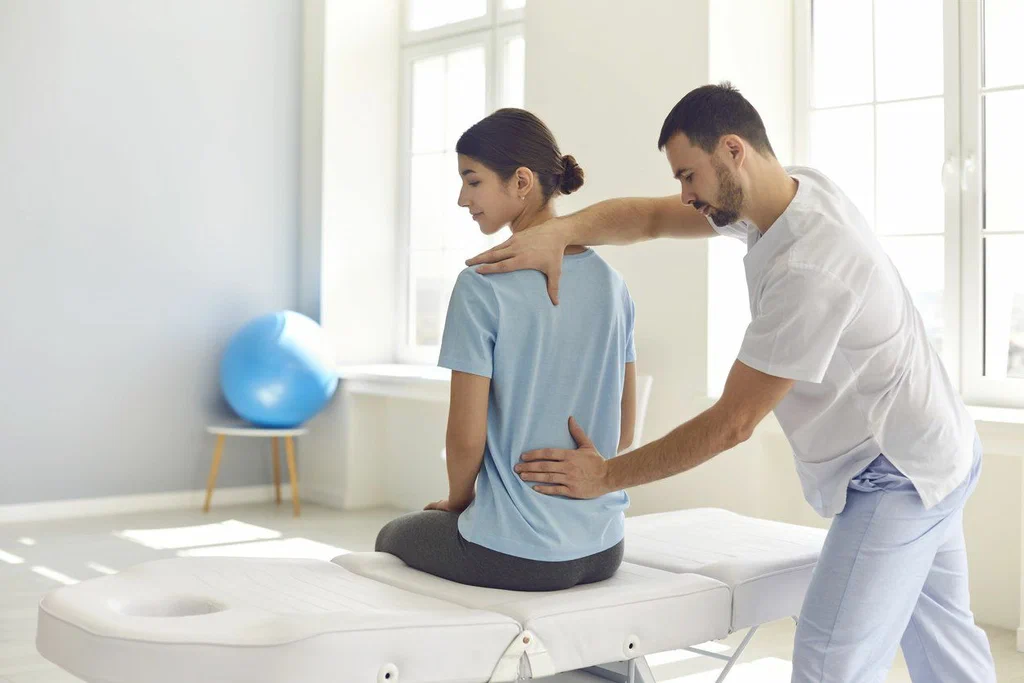
1. A Licensed Physical Therapist Helps With Movement and Recovery
Movement expertise defines what a licensed physical therapist brings; years of hands-on learning shape their skill. Medical science drives this field, rooted deeply in body mechanics instead of broad wellness trends. Rather than handing out routines, they study joint function alongside muscle behaviour and nerve signals during motion. Their approach begins with close observation, tracking how parts interact under real activity. Pain in one area usually comes from an issue elsewhere. Take lower back discomfort: tight hips or a weak centre could be behind it. Because of this, trained professionals look beyond the sore spot. They map how body parts connect, then shape a strategy just for you. Fixing strength happens alongside easing hurt, guided by methods tested and tailored. Safety stays central, matching each move to what your body needs.
2. Orthopaedic and sports injury care
Most people get orthopaedic care when they need help with muscles and bones. It deals with how your skeleton and tissues work together. Healing fractures or handling joint pain like arthritis falls under this care. After a muscle gets hurt, the body moves differently to avoid more damage. Over days, these shifts put stress on different areas than before. Athletes rely on tailored rehab to get back in the game. Instead of generic routines, experts study how you move—think sprinting form or how you pivot during play. Fixing flawed motion patterns helps fix injuries at their root. Strengthening key areas supports better performance down the line. With guidance from certified pros, recovery becomes part of growth, not just healing.
3. The Science Behind Hands On Healing
Hands-on treatment stands out in expert care. Not just rubbing muscles, therapists work directly on body structures. Movement improves when joints get precise attention. Stretching gets easier through targeted touch. Clinical skill shapes each motion, far beyond ordinary massage. After surgery, scar tissue often restricts motion, slowing healing. Yet gentle pressure techniques loosen tight layers beneath the skin. Movement returns easier when stiffness fades through hands-on work. Instead of waiting for natural healing, targeted therapy speeds circulation. When tissues slide freely again, exercises feel smoother, almost effortless. Pain drops off once tension stops pulling on nerves. Specialists guide this shift without force, just precise touch.
4. Post-Surgical Rehabilitation
Surgery changes things. Recovery shapes how well it works out. Healing follows a plan that controls puffiness while guarding where they cut. Move too soon without help from someone who knows, you might pull something apart. Let a joint freeze up because nobody showed you how to move it right. Mistakes happen when no one is guiding your steps. From day one, trained therapists stick to clear steps made just for your operation—maybe a new knee or spine fix. As healing happens, they watch each stage carefully, shifting effort levels when needed. Because someone skilled guides every move, hitting key recovery points becomes safer. Fewer setbacks pop up this way, making sure results stay strong after the procedure.
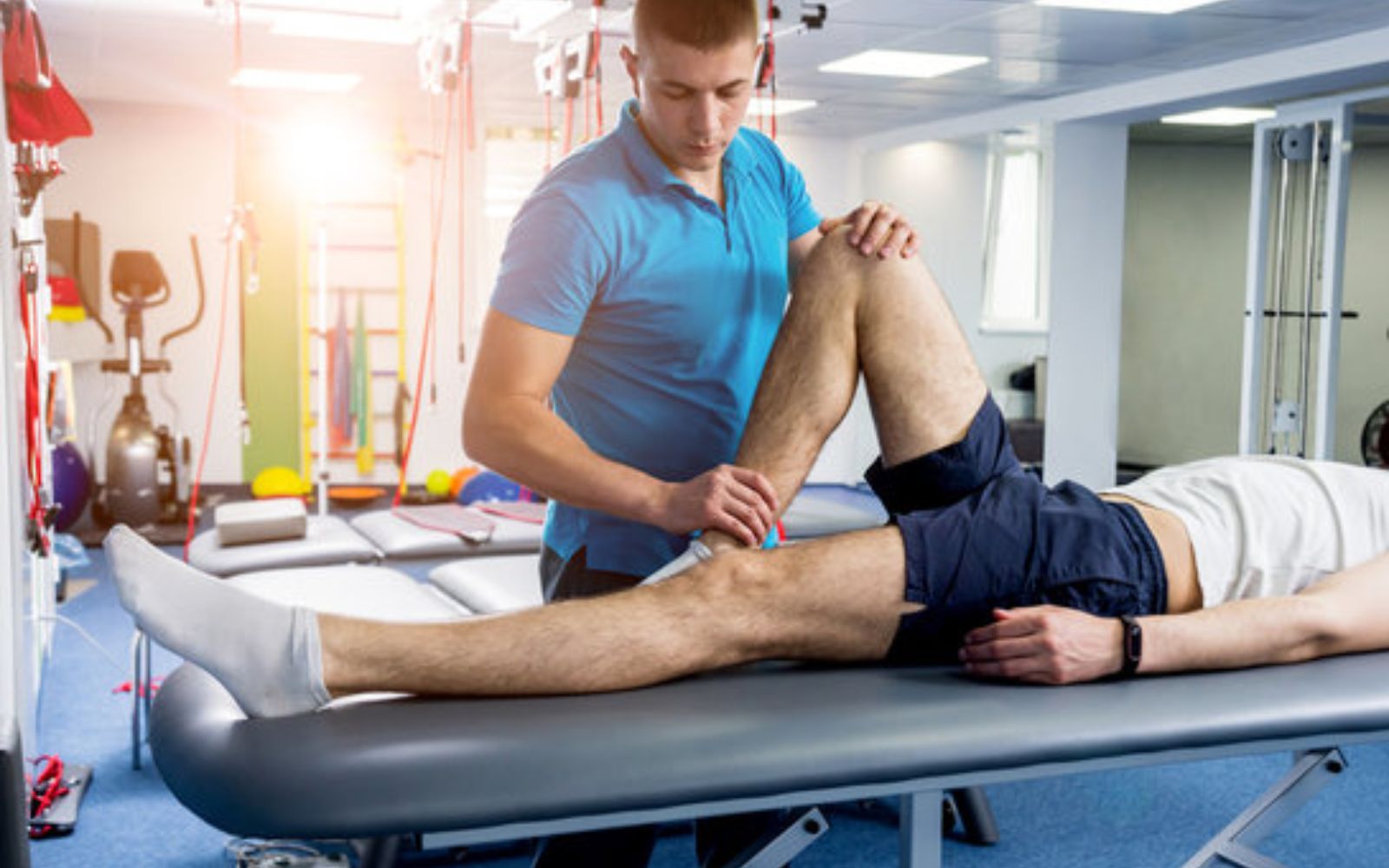
5. Living with ongoing pain and nervous system challenges
Moving hurts sometimes, so people stop moving. That stillness tightens muscles and worsens discomfort over time. Therapists guide movement through slow training sessions instead of pushing hard. Learning how your body responds helps break the cycle slowly. Weakness fades when motion returns with support. Pain changes shape when addressed daily in small ways. When someone recovers from a stroke or lives with Parkinson’s, treatment leans into how the brain can adapt over time. Instead of random motion, repeated actions—shaped by guidance—build back stability and control. With support from trained professionals, small gains add up, turning difficulty into forward movement. Progress shows not in leaps but through consistent steps that accumulate quietly.
6. A Personal Approach Matters
A body works in its own way, which means recovery must follow a unique path. Clinics led by experts lean on custom approaches instead of one-size-fits-all fixes. Your past health, how much you move each day, even what matters most to you—like getting back to work or chasing kids in the yard—all shape the plan built around you. This method comes with exercises you do at home. Even after walking out of the office, care keeps going. Your therapist hands you what you need to keep improving by yourself. Once you learn how your body should move, you start taking charge of your future well-being.
7. Professional Expertise Has Value
Fixing an injury by watching online clips? Risky move. Guess wrong about what is hurt, those workouts could push things downhill fast. Experts trained in body mechanics spot torn fibbers versus strained ones—then steer clear of harmful motions on purpose. A space built for healing has tools missing in any living room. Watched by someone trained, your body moves just right, each time. That exactness turns long waits into quick progress.
8. Conclusion
Every step you take shows how built you are to move. Pain gets in the way; that is when someone trained steps in to help clear the path. Hands on healing, smart choices, real results that is what physical therapy brings. It mixes touch, science, and experience into one focused plan. Fixing things now means fewer problems waiting down the road. Start moving toward living without pain by getting in touch so we can set up your assessment. If you are healing after an operation, dealing with a sports-related issue, or just tired of ongoing soreness, our certified therapists have experience that fits your needs. Our approach includes full-care Orthopaedic Rehabilitation aimed at improving joint function, targeted treatment plans for Sports Injury Therapy meant to return you to movement, along with Hands-on Therapy focused on easing muscle tension. Pain does not need to control what comes next; reach out now and allow skilled professionals to support your recovery journey.