
Whispers come first—not shouts. A stiff joint when you rise, an uneven step during walks, or discomfort that stays past its welcome. These tend to get labeled as simple tiredness. Or they get blamed on time passing by. But overlook them, and tiny misalignments grow teeth. Problems start small. They wait. Then they pull muscles, strain joints, and disrupt balance without warning. Here, attention arrives before a crisis does. It catches shifts others miss. Movement keeps moving—smooth, steady, and unbroken—for years beyond expectation.
Most people think help only matters after something drastic happens. Yet, improvement often begins long before a crisis strikes. Small warning signs pop up in quiet ways—stiffness, slight pain, or awkward movement. Catching these early means less recovery time down the road. Relief does not require drama first. Bodies speak softly when they need support.
How Daily Movement Shifts Over Time
Strange how standing up can start to sting, isn’t it? You might catch yourself leaning slightly, favoring one side just to ease pressure on an achy joint. One small stiffness—say, near the hip—throws off alignment down the leg. That tweak in posture alters how the knee bends over time. The ripple keeps moving, quietly changing motion patterns deep into the spine.
Start moving differently, and your body might be sending signals. Notice how skipping certain actions feels easier? That shift often points to an underlying issue. A therapist checks how you perform daily motions, spotting hidden imbalances early. Instead of waiting for stiffness or soreness, adjustments happen ahead of time. Watch how steps, lifts, or sitting postures change without you realizing. Efficiency returns when small errors get addressed. Pain should not shape your choices. Get guidance before habits harden into long-term strain.
Persistent Stiffness After Rest
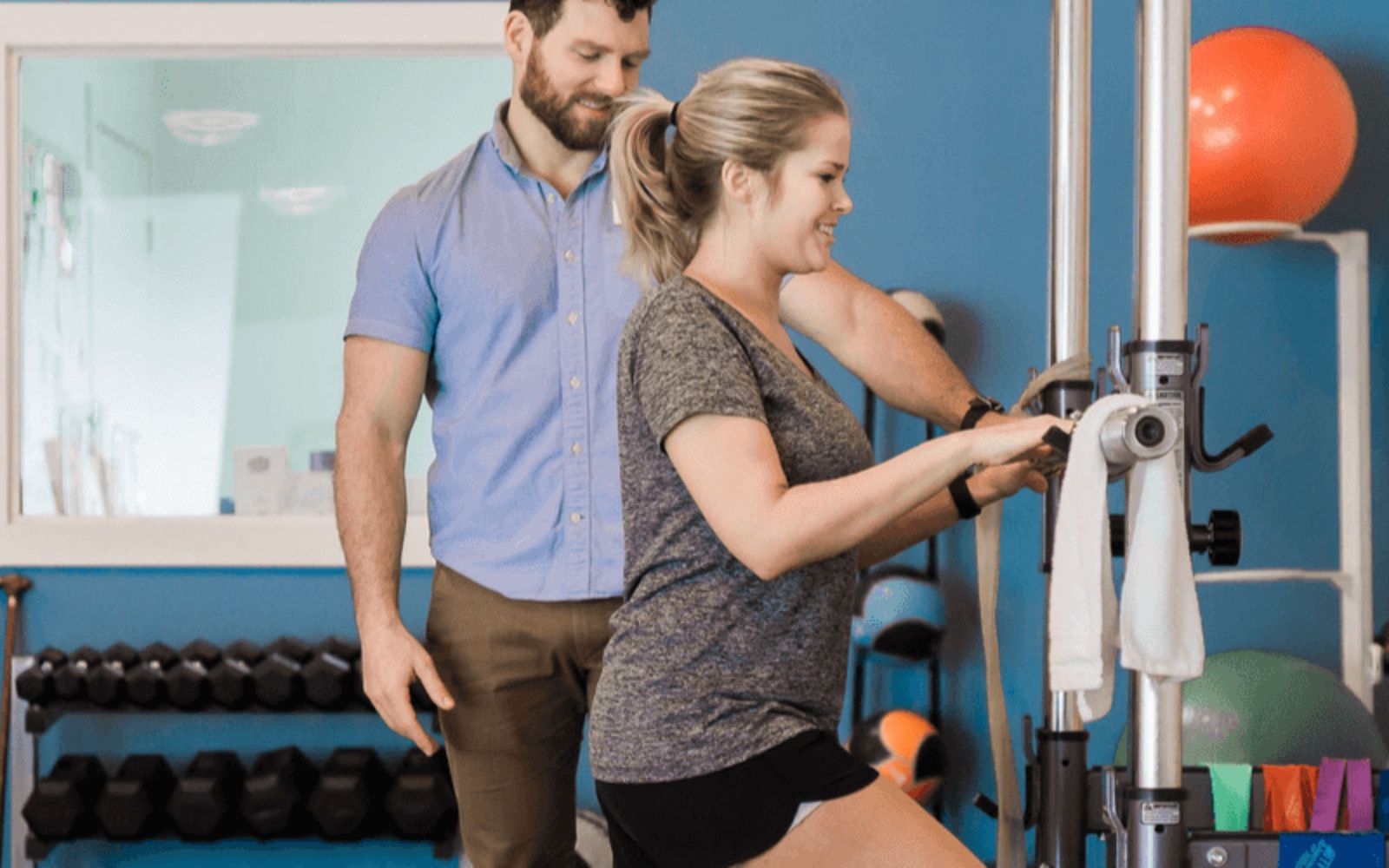
Some days leave your body stiff, especially after hours at a desk or pushing hard at the gym. Yet, mornings that start with tight joints could point to hidden swelling or limited movement in your limbs.
Most mornings, healthy tissue bounces back easily once you wake up. When tightness lingers—or lasts longer day by day—something subtle has changed underneath. Losing springiness often comes before lasting discomfort in joints. Movement tailored to loosen those areas brings back fluid motion over time. Staying limber today keeps options open tomorrow. How freely you move later depends on what you do while things still respond.
Pain That Never Leaves
Most people know someone who hurts their back fixing things around the house one day, then feels fine a couple days later. Just because it stops hurting does not mean everything healed right. The real story hides in repetition—the same ache shows up each time effort increases. Pain like that refuses to be ignored; instead, it points at something weak underneath, maybe a stretched tendon or an overstretched ligament taking too much pressure. It returns when pushed, never truly vanishing.
Pain that shows up again and again? That often signals something deeper remains unchecked. Not interested in temporary fixes—what matters is uncovering why it returns like clockwork. Watching how your body moves reveals clues most miss. Fix what is really wrong, then movement becomes possible again, freely, without waiting for the next setback. An ache that lingers is not random noise—it points, clearly, to where support has worn thin.
Loss of Balance or Coordination
Wobbling on bumpy sidewalks? That quiet stumble last week? These hints whisper before they shout. Your body talks through timing—brain messages racing down nerves, telling muscles when to fire. Lose a beat in that chain, and footing falters. Small stumbles grow louder if ignored. Signals misfire, legs lag, and balance blinks out.
Most people think exercise fixes everything—truth is, nerves need practice too. Special drills that tune into body position wake up sleepy signals between brain and limbs. Wobbling less happens when small missteps become part of daily correction work. Skip the worry, start noticing how feet respond on uneven ground. Confidence returns quietly, not with leaps but steady shifts in stance. Stability is not built fast—it grows through repeated trust in your own motion. Your body knows where it belongs when movement feels honest again.
Minor Discomfort Impacting Daily Life
It might not hurt much, yet things just feel off. Perhaps putting items away up top takes more effort now, so you leave them on the counter instead. Going outside feels harder since your knee protests later in the day. Slowly, doing less becomes normal. Life begins to shrink around those small decisions.
Movement opens doors most people forget they closed. Fixing what hurts means finding your rhythm again—whether that is hiking, dancing, or just walking without thought. Comfort is not earned; it belongs to everyone. A small problem today can shrink your life if left untouched. Your favorite moments need your body on board.
Small Issues Matter Just As Much
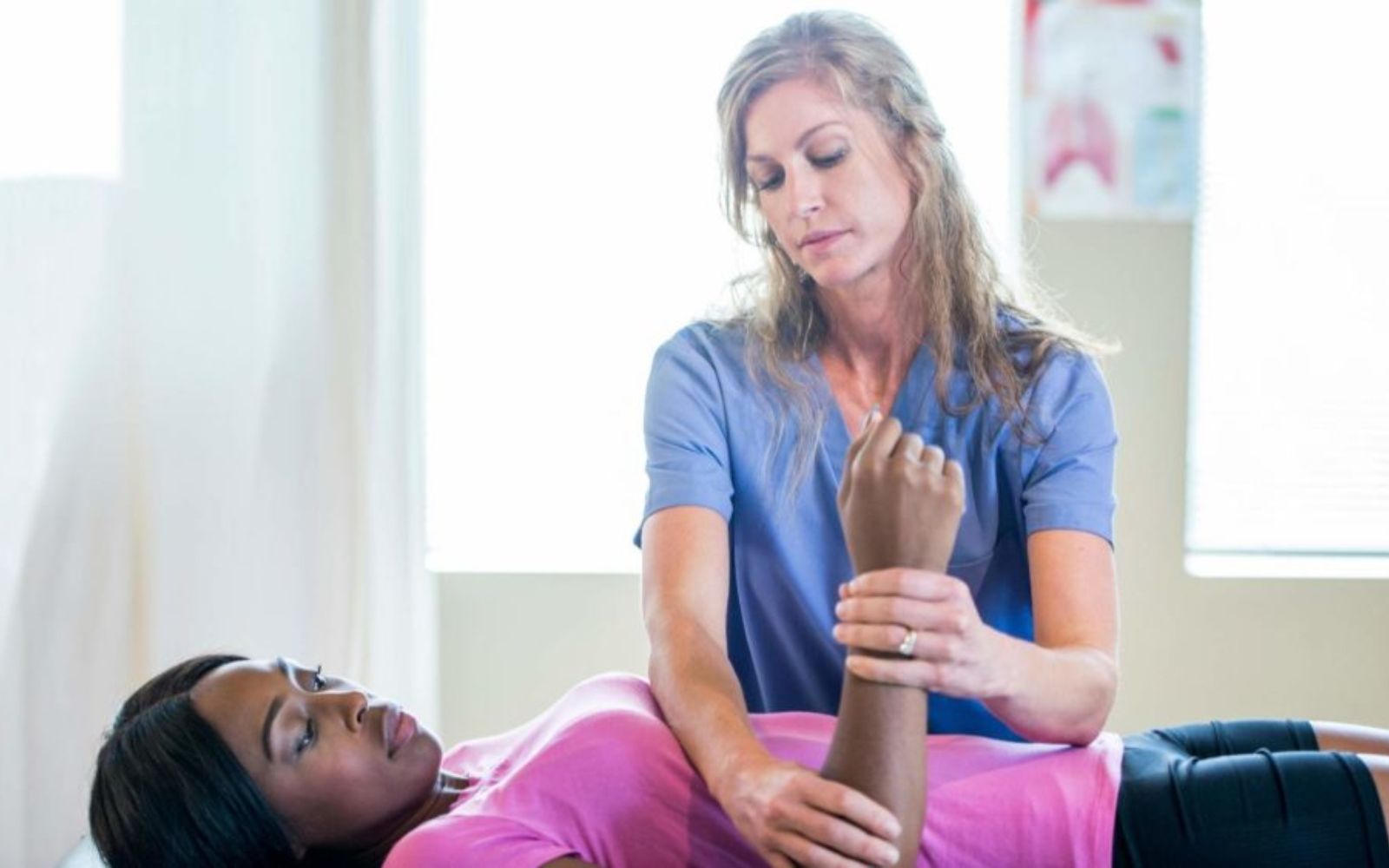
Most people hold off until something feels serious enough to deserve attention. Yet, experience shows better results come from stepping in before things grow worse. Small issues open doors to simpler fixes. Early movement routines, done regularly, sometimes prevent surgeries or weeks stuck on the sidelines. Waiting rarely helps the body heal faster.
When small signals start showing up, letting them slide could mean bigger issues later. Listening closely is what our team does—catching the quiet messages your body gives. Movement gets studied through proven techniques, so responses fit only you. Staying strong means support tuned exactly to how you move.
Start moving again without waiting for a reason. Pain that feels small might still slow you down more than you notice. When skipping activities becomes routine, it is time to rethink what your body needs. Reach out to Dynamic Care PT PC if daily tasks feel harder than before. Small shifts in how you feel can open up big changes in how you live. Moving freely begins with one step, not a grand plan. Your future self will thank you for starting now—health builds slowly, but it does build. Every step forward begins with noticing what is off. When you act on small warnings now, freedom later stays within reach. Guidance that sticks around makes tomorrow less likely to slow you down. By addressing these early signs, you protect your independence and ensure that your body remains a source of strength rather than a source of limitation. Trust your body’s signals and prioritize your long-term mobility today.